The plan, step by step
Decide who pays first and how to share. One person pays and collects. Choose a fixed share, an equal split of the total or bring-something.
Say it in the invite. Amount, who collects and by when, in one plain line. Don't leave it for after.
Do the sum on the yeses. Total divided by the people who confirmed, plus agreed companions, not by everyone in the chat.
Ask once and close it fast. One message with the amount and how to pay. Settle within a few days, before it's forgotten.
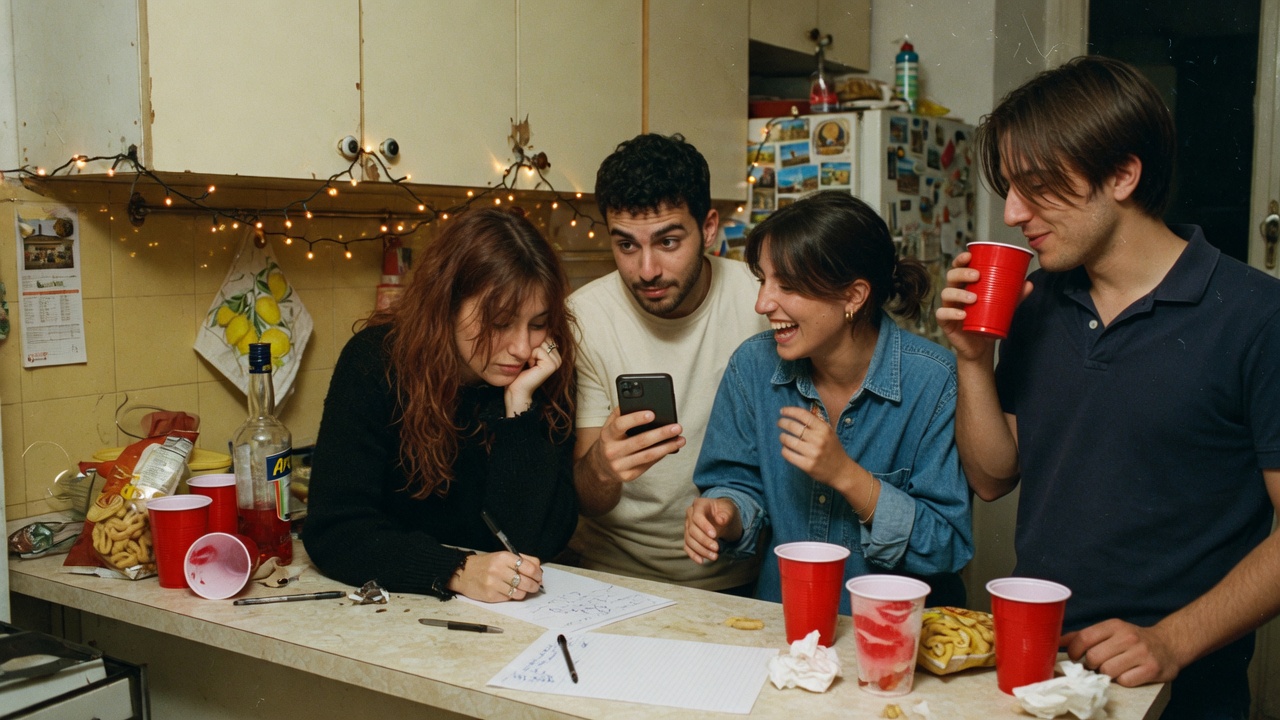
“Who paid for the pizza?”
Pizzas, drinks, ice, plates: one person paid the lot, and now there's a group chat full of “I'll send it later”.
It's not about the money. It's about not having agreed how to share it.
Decide before anyone spends
The easiest rule is the one you decide first and say in the invite. Four ways to do it:
| How | Works when | The catch |
|---|---|---|
| Everyone brings something | A small house party | Nobody knows what will turn up |
| A fixed share, paid before | You know the cost: a venue, a delivery order | You have to chase before the party |
| An equal split afterwards | A party you didn't price up front | The “I only had a salad” argument |
| Everyone pays for what they had | A bar or a restaurant | Hard to do at home |
How to write the wording is in What to write in a party invitation.
Do the sum on the yeses
Count the people who said yes and the companions you agreed, not everyone in the chat. How to get that count is in How to get party guests to reply.
An example: 120 for twelve people is 10 each. If two don't drink, you can set a lower share for them, or ask everyone to bring their own drinks.
Pick one tool, and keep it simple
You don't need a new app. Use what your friends already have:
- Venmo (US). Send one request to several people: Venmo splits the total you enter evenly between the people and you, and you can edit each amount.
- PayPal Pools. Create a pool with an end date, share the link, and friends can chip in even without a PayPal account.
- A bank transfer. Works everywhere: put the account holder and a reference in the invite.
In the UK, Australia or Canada, use your bank's app or whatever payment app the group already uses, and put the account details in the invite.
Three lines to copy
- “10 each for food and drink, to Sam by Thursday. Payment details are in the invite.”
- “Bring something to drink. I'll cover the food, and we'll split the pizza at the end.”
- “We'll split the total equally between whoever comes. I'll send one message on Sunday.”
What about jointhefun?
jointhefun doesn't collect money, and that's deliberate. What it does is give the invitation page a Gift section, which you turn on yourself: a message of up to 800 characters, up to two IBANs with the account holder, a payment reference, a PayPal link or email and a Satispay number. Guests see it after they reply, and the details are deleted with the event. The section is on every plan. For a payment app that isn't on the list, write it in the message.
The RSVP side is free with no limit on guests, so you know the number to divide by. Free costs €0 per event and includes 50 guest photos but no guest videos; PARTY costs €29 and PARTY+ €49, one payment per event. Details are in the guides welcome message and invitation details and RSVPs, companions and a guest list that adds up, and on the plans page. The whole plan for the evening is in How to throw a house party.
Quick questions
How do you split the cost of a party?
Add up what was spent and divide it by the people who came, which is usually the people who said yes. If you know the amount in advance, ask for a fixed share before the party.
Should I ask for money before or after the party?
Before is easier if the amount is known: a fixed share, paid by a date. After works for a party you didn't price up front: send one message with the total, the share and how to pay.
What if some guests don't drink alcohol?
Either everyone brings their own drinks, or you set a lower share for those who don't drink. Say it in the invite so nobody finds out at the end.
How do I ask for the money without being awkward?
Put it in the invite as a plain line with an amount and a date, so it's a rule and not a favour. “10 each, to Sam by Thursday” is easier to follow than a hint.
Who should pay first?
The host, or one person who's chosen to collect. One collector keeps it simple: guests pay one person once.
What do I do if someone doesn't pay?
Send one private reminder with the amount and how to pay. Chasing in the group makes it worse for everyone.
How does Venmo handle a shared cost?
In a request to several people, Venmo splits the total you enter evenly between the people and you, and you can edit individual amounts. PayPal Pools lets friends chip in even without a PayPal account.
Does jointhefun collect the money?
No. The Gift section only shows the details you choose, such as an IBAN, a PayPal link or a short message. The payment happens outside jointhefun.